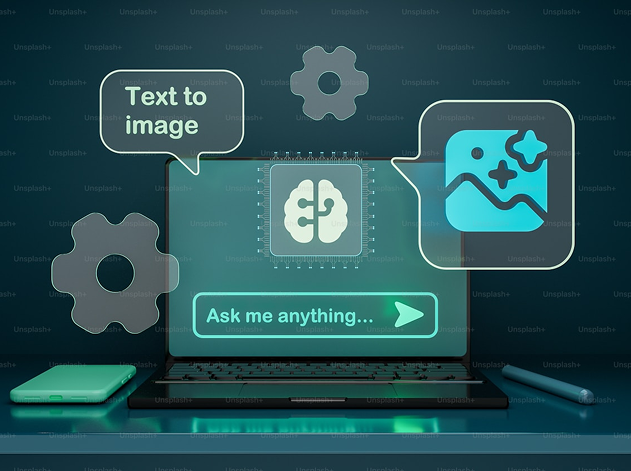


The digital accessibility landscape is at a crossroads. For years, organizations have relied on a mix of automated testing tools and manual human audits to ensure their websites and apps are usable by people with disabilities. But as the web grows more complex—with single-page applications, dynamic content, and AI-generated interfaces—the limitations of both approaches have become glaringly apparent.
Automated tools are fast, scalable, and consistent. They can scan thousands of pages in minutes, flagging low-contrast text, missing alt text, and broken ARIA attributes. But they lack context. They can't tell if a focus order actually makes sense to a screen reader user, or if a complex modal dialog is truly navigable with a keyboard. Human experts, on the other hand, bring empathy, nuance, and real-world understanding—but they are slow, expensive, and impossible to scale across large organizations.
So what's the answer? At Scansive, we believe the future isn't one or the other—it's both. A symbiotic partnership where AI handles the heavy lifting of detection, while human experts provide the judgment, context, and strategic guidance that machines simply cannot replicate.
The Rise of AI in Accessibility
Artificial intelligence has made remarkable strides in the accessibility space. Machine learning models can now detect complex issues like low color contrast in dynamic components, identify missing ARIA landmarks, and even suggest alternative text for images with surprising accuracy. Tools like Scansive's AI engine analyze user flows, simulate keyboard navigation, and flag potential barriers that traditional static scanners miss.
But AI is only as good as its training data. It struggles with subjective judgment calls—whether a piece of alt text truly captures the intended meaning of an image, or whether a custom widget feels intuitive to a user with motor impairments. These are human questions, requiring human answers.
"AI is a powerful microscope, but human experts are the doctors who read the slides and prescribe the cure."
— Dr. Maya Chen, CTO & Co-founder, Scansive
Display 3 – Font size 81px
Display 4 – Font size 65px
Display 5 – Font size 52px
H1 – Font size 40px
H2 – Font size 32px
H3 – Font size 24px
Lead – Font size 20px
This is body text at 16px with comfortable line-height.
The Irreplaceable Human Element
Human accessibility experts bring something that no algorithm can replicate: lived experience. Many of the best accessibility professionals are people with disabilities themselves, who understand firsthand the frustration of a broken tab order or an unlabeled button. They test with real assistive technologies—screen readers, speech recognition software, switch devices—and provide feedback that is both technical and deeply empathetic.
Moreover, accessibility is not a checklist; it's a philosophy. Human experts help organizations think strategically about inclusion, from design system decisions to content strategy and beyond. They see the bigger picture, asking not just "is this technically compliant?" but "does this create a welcoming experience for everyone?"
Practical Implementation: A Hybrid Workflow
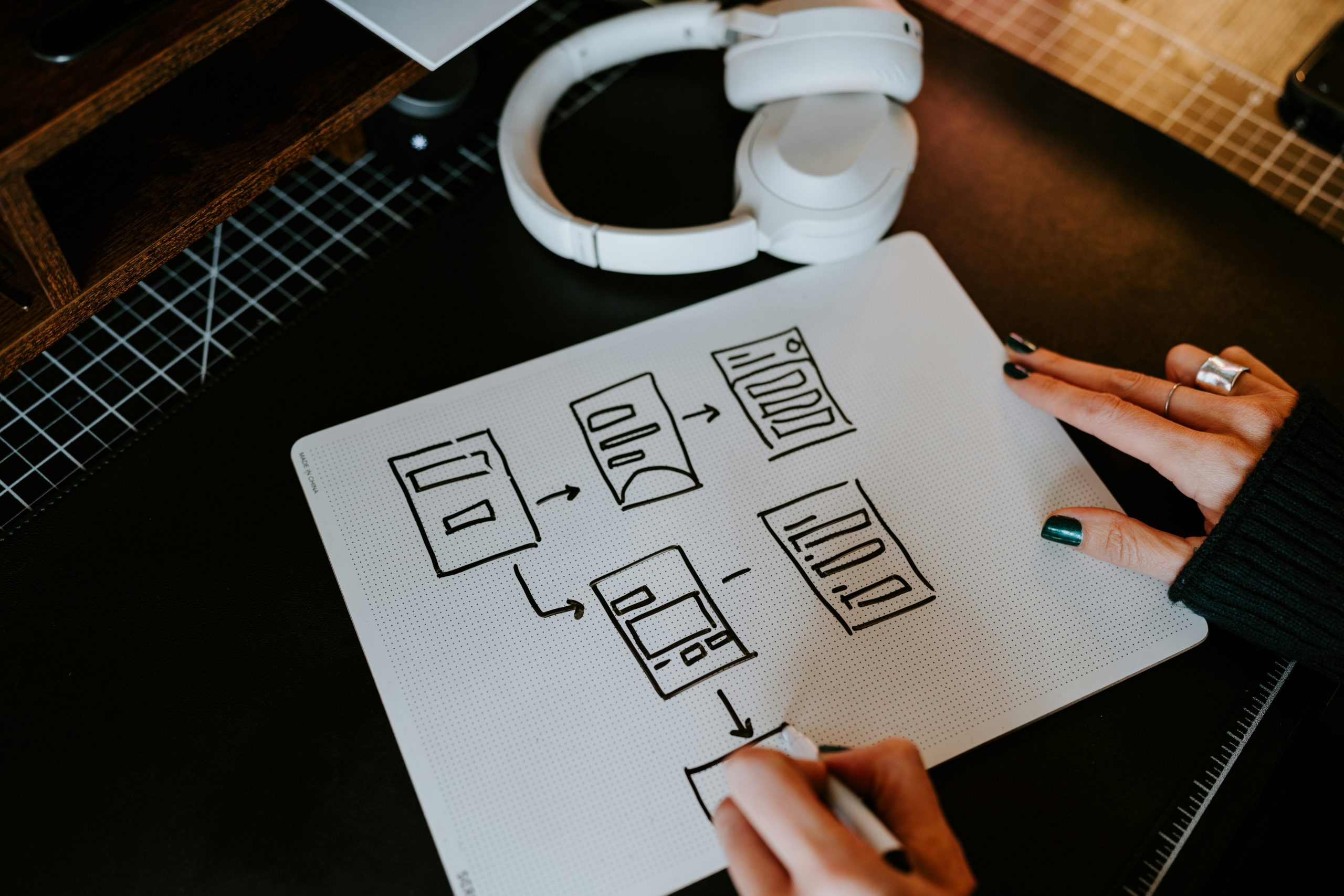
Here's how a hybrid workflow might look in practice, using Scansive's platform:
The Hybrid Model in Practice
At Scansive, we've built our platform around this hybrid philosophy. Our AI engine continuously scans your digital properties, identifying thousands of potential issues. But we don't stop there. We provide context-aware, actionable guidance—and when the issue is complex, we connect you with our team of certified accessibility experts who can conduct deep-dive manual audits, provide custom code fixes, and train your team on best practices.
The results speak for themselves. Organizations using a hybrid approach see an average of 68% faster issue resolution and a 45% reduction in legal risk compared to those relying on automation alone. More importantly, they build better, more inclusive products—serving the 1 billion people worldwide who live with disabilities.
What This Means for Your Team
- Developers: Get instant feedback in your CI/CD pipeline, with clear, actionable remediation steps.
- Designers: Validate color contrast, focus states, and keyboard interactions during the design phase.
- Compliance Officers: Access litigation-ready reports and VPAT documentation with full audit trails.
- Product Managers: Prioritize accessibility fixes with impact-based scoring and progress dashboards.
The future of accessibility is not about choosing between AI and humans. It's about building a bridge between them—a bridge that Scansive is proud to help construct, one scan, one audit, one fix at a time.
How to Conduct an Accessibility Audit
ARIA Best Practices for 2026
Article written by
Alex Rivera
Lorem ipsum dolor sit amet, consectetur adipiscing elit, sed do eiusmod tempor incididunt ut labore et dolore magna aliqua. Non blandit massa enim nec.